
A Year of Growth, Dialogue, and Collective Learning: DSG’s 2025 in Review
.jpg)
.jpg)
Throughout 2025, DSG deepened its global reach and strengthened its role as a connector across regions, sectors, and communities wrestling with the implications of solar geoengineering. What began as a year defined by uncertainty became one marked by expanded partnerships, trust-building, and shared capacity building. We engaged with more than 80 NGOs across Africa, Asia, Latin America, the Pacific, Europe, and North America—many encountering SRM for the first time. These conversations helped move the field away from abstract debate and toward grounded, regionally informed perspectives.
Expanding Regional Engagement and Building Power from the Ground Up
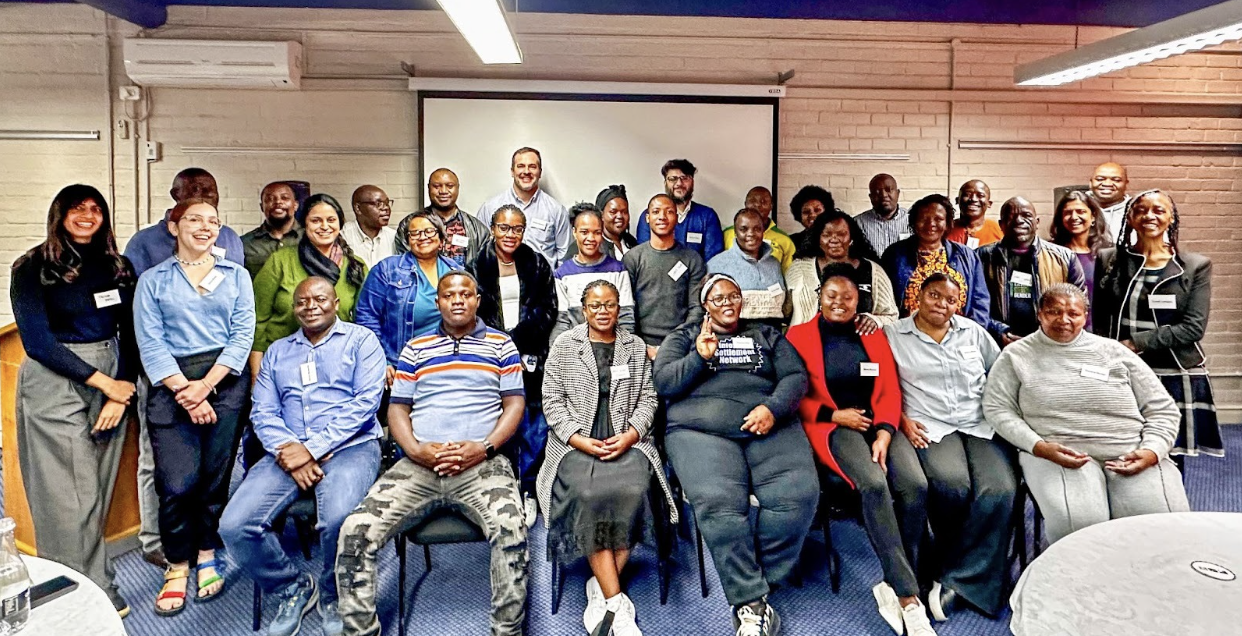
Our year opened with a renewed focus on bringing civil society and policymakers into the shared conversation spaces. In May, our convening with CIVICUS and the Human Rights Institute of South Africa brought together grassroots organizations from South Africa, Zambia, and Zimbabwe to explore SRM through climate justice and human rights perspectives. The concerns and recommendations that surfaced there are now shaping our work across the continent. Immediately afterward, DSG took part in the Degrees Global Forum, where we contributed to multiple sessions on research governance, regional decision-making, interdisciplinary collaboration, and perspectives on non-use. These engagements helped knit together networks across science, policy, and civil society at a moment when clarity and cooperation are essential.
By July, we expanded these conversations into the U.S. climate movement. Alongside the Chesapeake Climate Action Network and the Environmental Defense Fund, we co-hosted a landmark event, Solar Geoengineering Research—Next Steps for the Climate Movement, which brought climate leaders, organizers, and advocates together to explore SRM with nuance, transparency, and humility. The two-day workshop opened new avenues for groups beginning to engage with SRM and created space for shared learning, hard questions, and collective strategy. These collaborations continued into September with an event at New York Climate Week that took this conversation beyond closed doors, platforming a variety of perspectives on SRM and making space for an open dialogue.

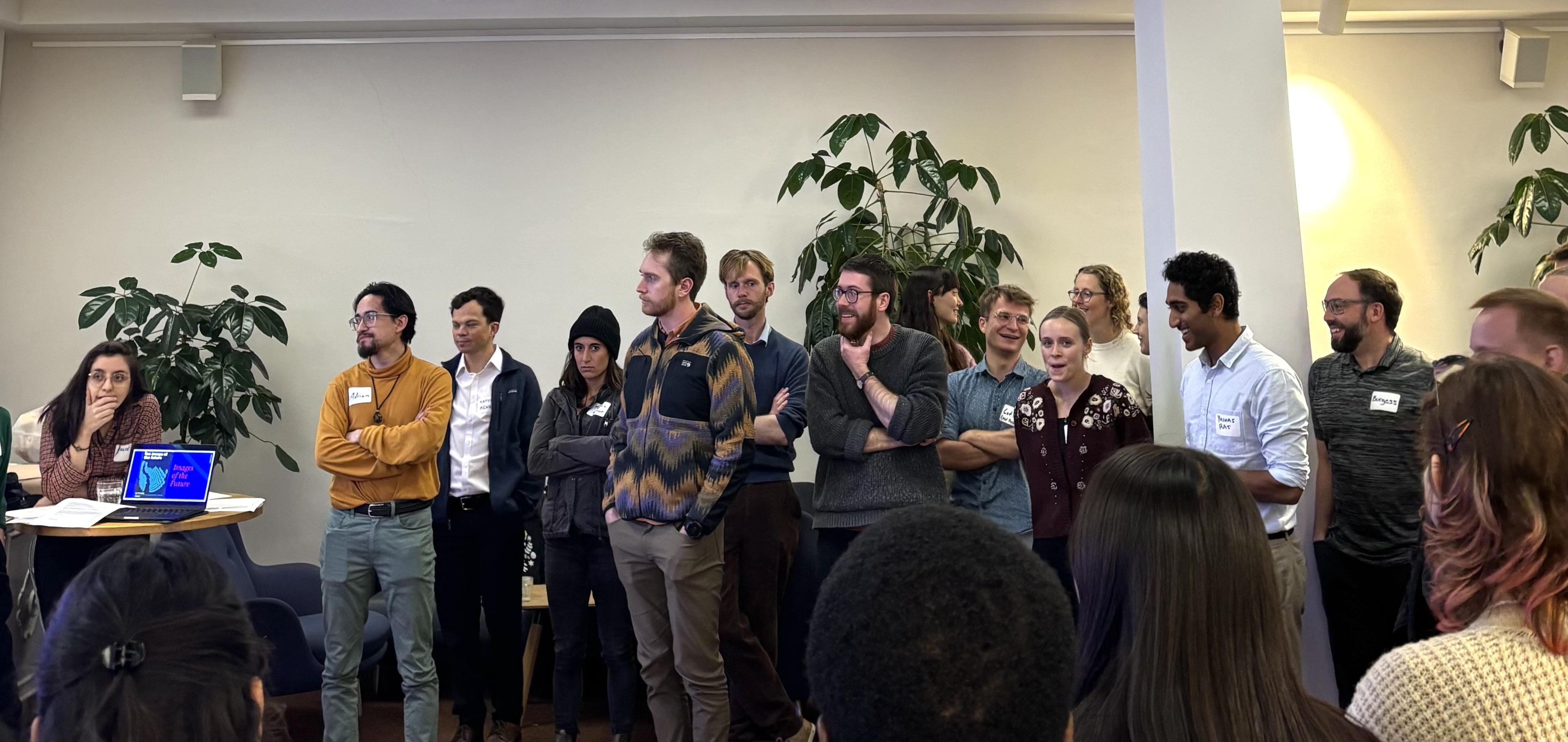
As the year progressed, we continued investing in communities that will shape SRM governance for decades. In October, we held our first in-person convening for early-career researchers from across the Global North and South. The gathering, part of the Climate Intervention Network, brought more than 45 members to Helsinki for two days of research development, shared learning, and field-shaping exercises, followed by participation in Operaatio Arktis’ ATLAS25 conference. The week cemented collaborations that will inform the future of SRM research and governance.
We also piloted a new journalist briefing in December that brought together nine reporters from across Africa. This effort aims to strengthen media capacity to communicate the nuances, uncertainties, and governance stakes of SRM, recognizing that informed public conversation hinges on informed journalism.
Supporting Policymakers and Strengthening Governance Capacity
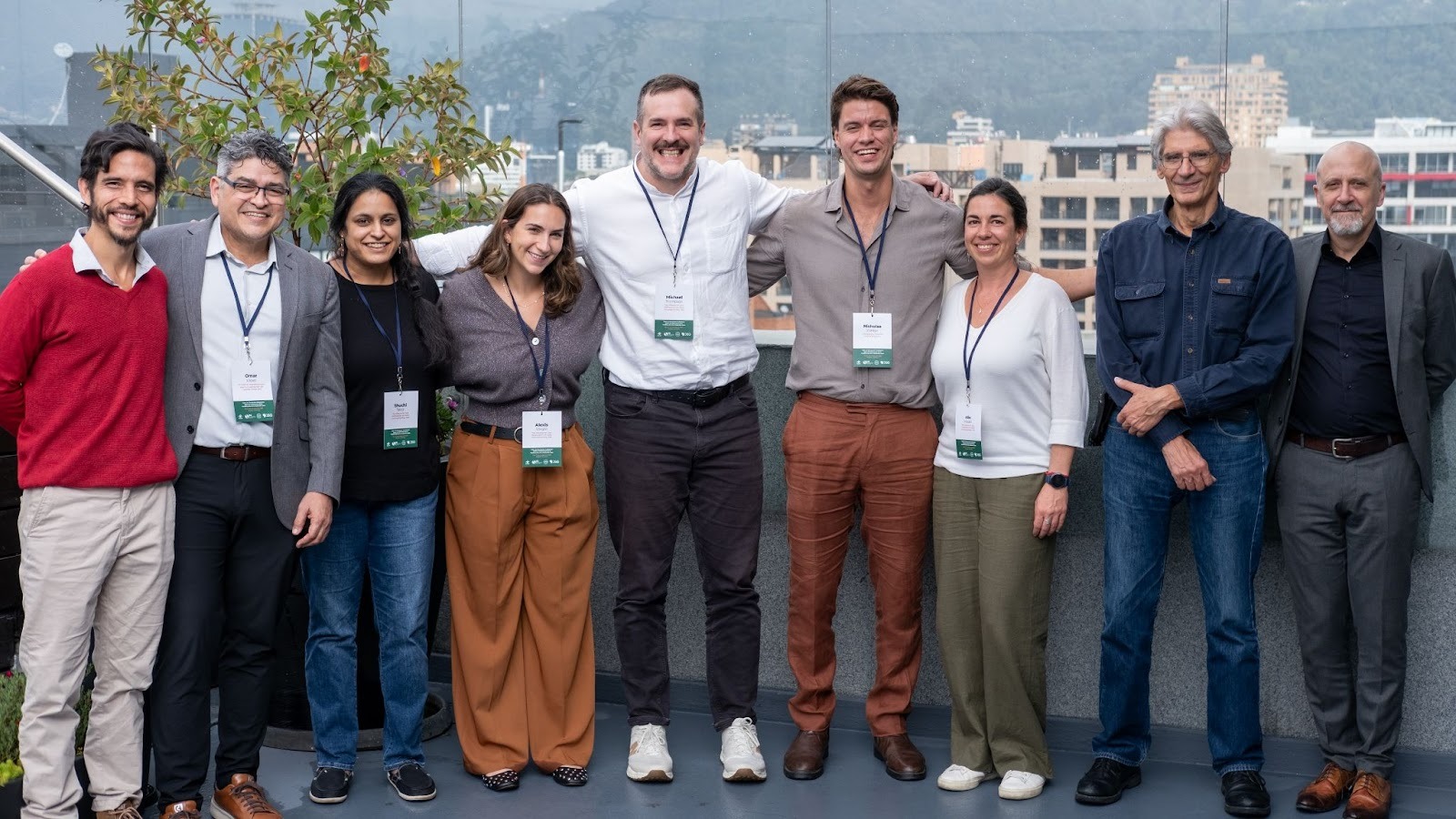
Government engagement remained central throughout the year. In partnership with the Inter-American Institute for Global Change Research (IAI) and The Degrees Initiative, DSG launched a three-part workshop series for climate and environmental negotiators across the Americas. After two virtual sessions in April and June, the series culminated in an in-person regional workshop in Bogotá in October. Over two days, more than 45 participants from 14 countries engaged in scientific briefings, ethical discussions, and a multilateral negotiation simulation, building a shared baseline for informed decision-making in Latin America and the Caribbean. The workshop responded directly to rising regional interest in preparing ministers and negotiators before SRM comes up in multilateral negotiations.
DSG also contributed to global discussions in other high-level settings. In November, Clara Botto participated in a COP30 side event organized by the Centre for Climate Repair on the role of Marine Cloud Brightening in supporting the Great Barrier Reef. And in December, DSG co-organized a UNEA-7 green room event in Nairobi with EDF and C2ES, creating crucial space to discuss procedural justice, consent, and participation in SRM governance.
Investing in Leaders Who Will Shape the Field’s Future
Meeting the growing need for interdisciplinary governance expertise led us to launch DSG’s Residency Program for early- and mid-career professionals. The response made clear the hunger and interest for meaningful pathways into SRM governance. The first cohort reflects the diverse expertise the field needs: our mid-career fellow, Grace Mbungu, began her work in July and recently co-authored an article focusing on SRM Discourse in Africa. Our early-career fellows, Sofia Kabbej and Victor Ayomide, joined in December and have authored an article introducing their interdisciplinary perspectives. These fellows were selected from a pool of more than 40 applicants for these inaugural roles, reflecting strong demand for mentorship, collaboration, and pathways to shape SRM governance in its formative years.
We also expanded our in-house capacity. Michael Thompson joined DSG as Managing Director, bringing deep experience in multilateral climate negotiations. And Lexi Wright stepped in as Communications and Events Manager, adding strength in climate storytelling and justice-centered organizing. Together, they help ensure DSG can meet the scale of interest and responsibility emerging in this moment.
Producing Knowledge That Strengthens Transparency and Global Understanding
DSG’s research contributions continued to advance the field. In February, How to address solar geoengineering’s transparency problem—co-authored by Shuchi Talati, Ben Kravitz, and Holly Jean Buck—was published in PNAS, offering concrete steps for embedding transparency into SRM research and governance. Meanwhile, our updated edition of The Solar Geoengineering Ecosystem, developed with Wil Burns, mapped the evolving constellation of actors shaping SRM across sectors and geographies.
We also co-launched a major new project with CarbonPlan, Cornell University, and The Degrees Initiative to downscale global SRM simulations into regional, open-access datasets. This work will expand access to localized, actionable information for researchers around the world and help reduce uncertainties in climate models—critical for more equitable and informed governance. Our role involves building more engagement across stakeholders to enable a more informed and helpful set of outputs.
Scaling Tools That Tackle Misinformation and Lower Barriers to Understanding
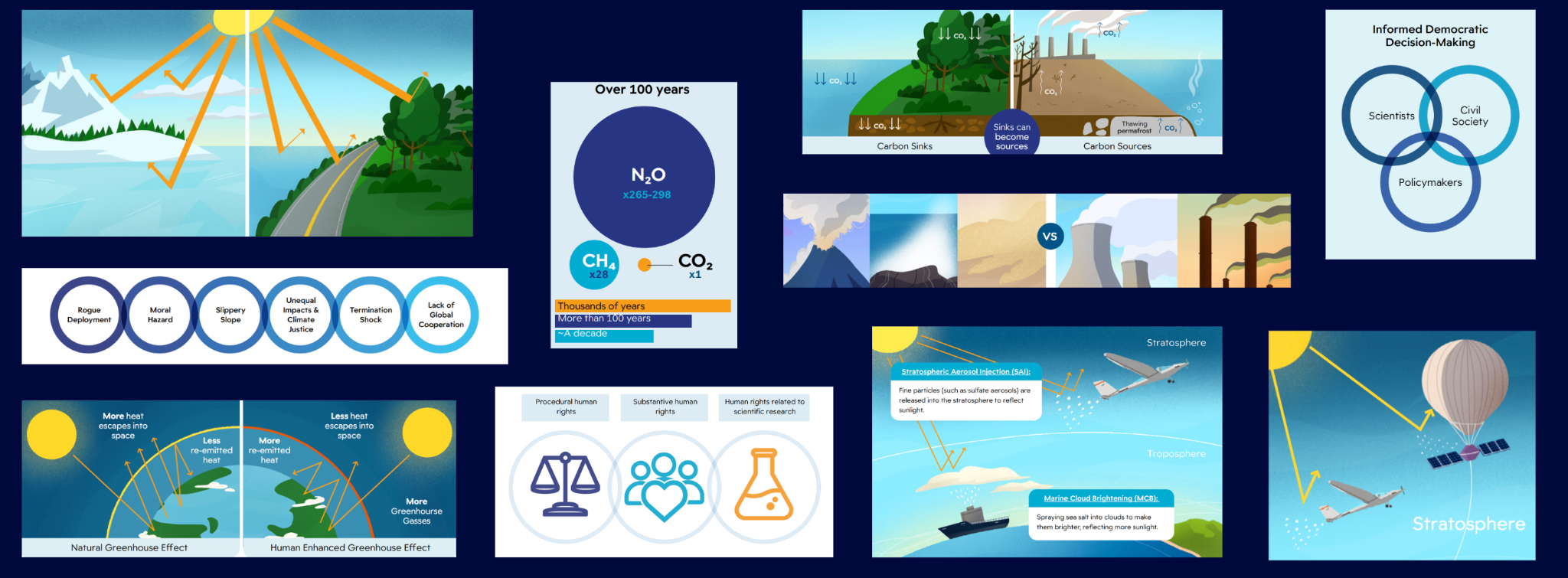
A milestone this year was the June launch of DSG’s redesigned website and Learning Resources library, a modular suite of more than 35 materials built to support informed public engagement. These resources, organized into Science Foundations, Governance & Policy, Ethics & Human Rights, and Youth Engagement, are already being used by educators, civil society partners, and policymakers worldwide. Spanish and French translations are underway, with additional languages planned for 2026. Short videos on governance and public participation will expand this library further, helping ensure SRM conversations are grounded in clarity rather than confusion or sensationalism.
Our public voice expanded alongside these resources. DSG’s insights appeared in outlets including the Washington Post, Heatmap, Wired, Project Syndicate, Politico, and more. Shuchi Talati’s commentary and interviews helped counter misinformation and explain governance gaps, while DSG published original writing that pushed for more thoughtful, accountable discourse on SRM.
Looking Ahead to 2026: Sharpening Focus and Meeting a Pivotal Moment
As we move into 2026, DSG is preparing to sharpen its strategic focus to address the governance gaps becoming harder to ignore. Private experimentation, political polarization, and rising climate pressures are creating a moment where inadequate governance could lead to lasting consequences. Our work next year will center on research governance infrastructure, transparency, public dialogue, clear communication, and regional capacity building, while ensuring that communities most affected by climate risks are positioned to shape what happens next.
The foundation built in 2025 positions us well. By expanding regional partnerships, strengthening global networks, developing accessible educational tools, and investing in emerging leaders, DSG is helping create a landscape where decisions about solar geoengineering are grounded in justice, informed by evidence, and accountable to the public. The field is evolving quickly, and our role—bridging research, policy, and community perspectives—has never been more essential.
Join Our Community
Stay informed about the latest developments in solar geoengineering and how you can make a difference. Subscribe to our newsletter for insights, updates, and opportunities to get involved.
Latest Posts
Community Engagement in Solar Radiation Modification: Lessons from Two Models

Readiness Is Not a Destination: Lessons from a Cross-Sector Dialogue

SRM as a Tool for Climate Security: Competitive Framing and its (Geo)Political Implications


Reading the Signals: Stardust and the Shape of an Emerging Field

.png)
From Taboo to Assumed: How Carbon Dioxide Removal Advanced Before Governance Could Keep Up and What It Means for SRM


The Danger of Performed Governance in SRM
